
Distinguishing negative emotions from mental disorders | Safe and Sound
Negative emotions and mental disorders are two distinct concepts, yet they are often confused. Understanding them clearly not only helps individuals manage their emotions more effectively but also aids in the timely identification of mental health issues.
Ngo Thi Sang | Master of Educational Psychology – Applied to Safe and Sound Mental Health Care
Institute of Applied Medical Technology
1. What are negative emotions?
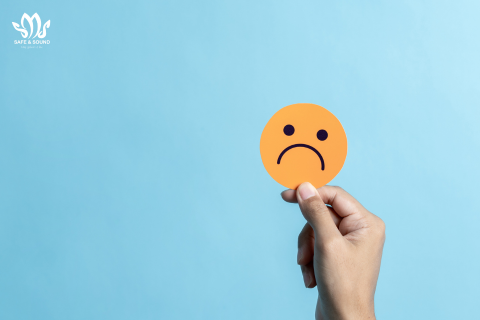
Image 1: What are negative emotions?
Negative emotions are natural reactions that everyone experiences in difficult, challenging, or distressing situations. These include psychological states such as sadness, anxiety, anger, fear, or disappointment. These emotions are part of the process of coping with one's surroundings and life circumstances. Negative emotions are usually short-lived and can subside on their own when the situation changes or is resolved.
Negative emotions are part of the human experience. However, if not managed properly, they can have negative impacts on an individual's mental health, behavior, and relationships. It's important to distinguish between ordinary negative emotions and mental disorders that require professional intervention.
2. What are mental disorders?
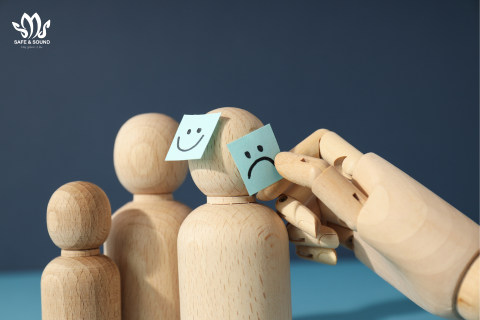
Image 2: What is a mental disorder?
Mental disorders are medical conditions related to impaired thinking, emotional, behavioral, and emotional regulation abilities. These include psychological problems such as anxiety disorders, depression, bipolar disorder, and post-traumatic stress disorder (PTSD). Mental disorders are often long-lasting and do not resolve on their own without specialized medical or psychological intervention.
Unlike negative emotions, mental disorders profoundly affect a person's daily life, impairing social, professional, and personal functioning. Individuals with these disorders often cannot control their emotions in a normal way and may require treatment with psychotherapy, medication, or other forms of support.
3. The difference between negative emotions and mental disorders
To better understand the difference between negative emotions and mental disorders, we can compare the following aspects:
3.1. Time and Frequency
- Negative emotions: These are often short-term reactions to certain situations and disappear on their own when the situation changes. For example, you might feel sad after being rejected, but this feeling usually doesn't last very long.
- Mental disorders: Mental disorders are often long-lasting and recurring. For example, depression can last from a few weeks to several years without improvement if left untreated.
3.2. Controllability
- Negative emotions: People who experience negative emotions can still manage them in their daily activities and they are not seriously affected in terms of work or personal relationships.
- Mental disorders: People with mental disorders often cannot control their emotions, leading to serious impacts on their quality of life. They may have difficulty maintaining daily activities or experience unexplained feelings of unease.
3.3. Impact on social and personal functioning
- Negative emotions: Emotions such as sadness, anger, or anxiety may reduce performance in the short term, but do not significantly impact social or work functioning.
- Mental disorders: Mental disorders cause significant impairment in many areas of life such as work, studies, and social relationships. For example, people with depression may not want to meet friends, lose interest in work, and feel tired all day long.
3.4. The necessity of professional intervention
- Negative emotions: Most negative emotions can be improved through self-care measures such as exercise, relaxation, or talking with loved ones.
- Mental disorders: Individuals with mental disorders require intervention from mental health professionals or doctors. The use of psychotherapy or medication may be necessary to improve their condition.
4. What warning signs should I pay attention to?

Image 3: Warning signs to watch out for
Negative emotions are a normal human reaction, but when they become chronic and affect daily life, they can be a sign of a serious mental disorder. Some signs to watch out for include:
- Loss of interest in daily activities: If you no longer find joy in things you once enjoyed, you may be dealing with a mental disorder.
- Persistent feelings of hopelessness: A constant feeling of hopelessness, a sense of having no way out, is a clear sign of depression.
- Difficulty controlling anxiety: Feelings of anxiety that do not subside, even without a specific situation causing anxiety, can be a symptom of an anxiety disorder.
- Abnormal sleep patterns: Lack of sleep or excessive sleep, along with frequent nightmares, can be signs of a psychological problem.
- Thoughts of death or suicide: This is a serious sign and requires immediate intervention from mental health professionals or psychiatrists.

With the collaboration of psychiatrists, psychologists , and the application of technology in mental health care, Safe and Sound counseling/consultation service proudly pioneers in supporting you with "Early self-detection - Immediate emotional first aid - Long-term support."
If you suspect you have a mental health problem, or would like more information about our counseling services, please contact our HOTLINE at 0964 778 911 (Phone/Zalo, 24/7) for prompt assistance and answers!
HOW TO SCHEDULE AN APPOINTMENT for online or in-person consultation with a specialist.
- On the SNS Psychologist Fanpage
- Alternatively, download and schedule a consultation on the Safe and Sound app to manage and track your appointments anytime, anywhere.
Safe and Sound - part of the Institute of Applied Medical Technology (IMT)

See more:
